Everything About Light Weight Aluminum Castings: Recognizing Their Duty and Relevance in Manufacturing
Aluminum spreadings are important to modern production, providing a blend of lightweight residential properties and toughness. They facilitate intricate styles while lessening setting up expenses. Industries such as aerospace and auto often utilize these elements for enhanced performance. Nonetheless, the production of light weight aluminum castings is not without its difficulties. Understanding the subtleties of this process discloses both the advantages and potential mistakes. Exploring these aspects will certainly give deeper insights right into their growing significance.
Overview of Light Weight Aluminum Spreading Processes
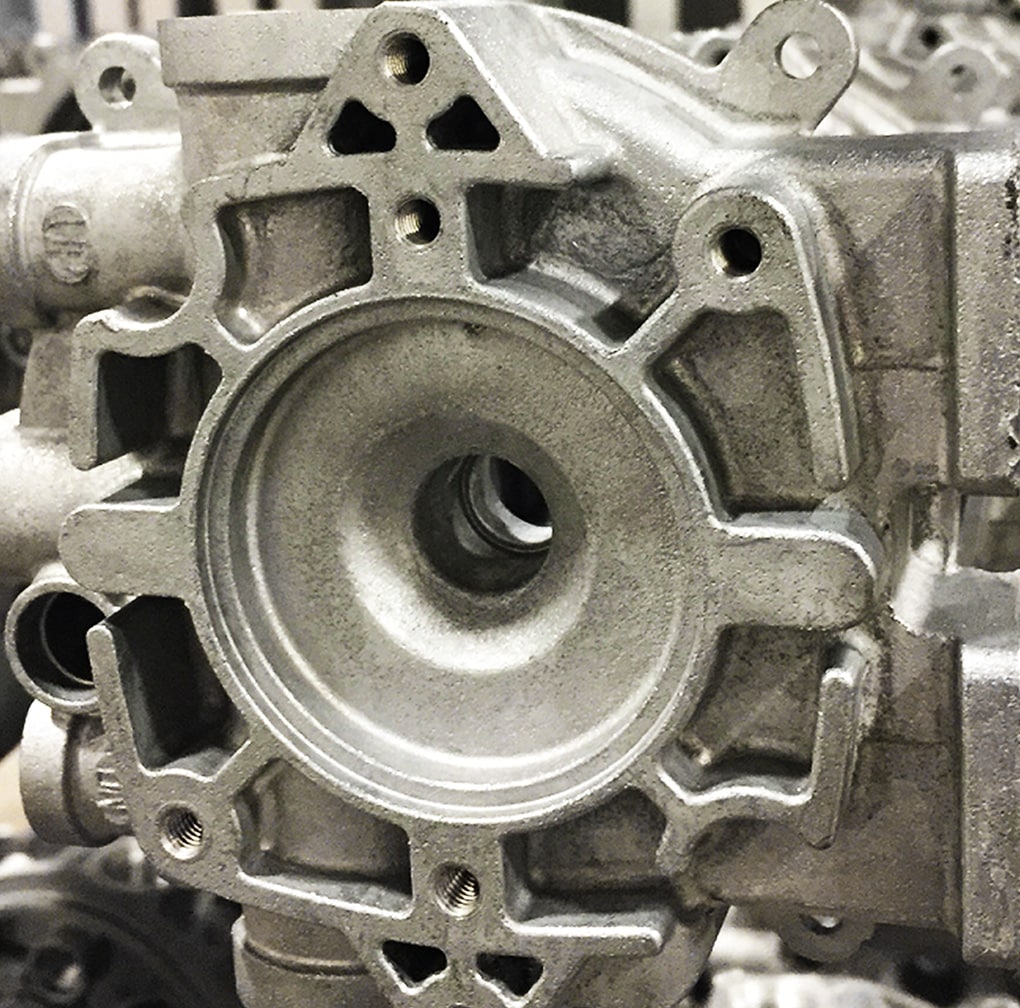
Light weight aluminum casting processes play a necessary function in production, providing convenience and effectiveness. These processes involve putting liquified light weight aluminum right into molds to create specific shapes and elements. Various methods are employed, consisting of sand spreading, die spreading, and financial investment spreading, each identified by its approach of mold and mildew creation and the designated application.
Sand spreading makes use of a blend of sand and binder to create molds, permitting intricate geometries. Pass away casting, on the various other hand, involves requiring liquified light weight aluminum into steel mold and mildews, resulting in high accuracy and smooth surfaces. Investment spreading, commonly made use of for elaborate designs, involves developing a wax pattern covered with a ceramic shell, which is after that loaded with liquified aluminum.
These casting methods satisfy varied commercial demands, making aluminum a preferred product for components in industries such as automobile, aerospace, and consumer products. The option of casting method greatly influences the end product's top quality and efficiency.
Advantages of Using Aluminum Castings
The advantages of utilizing light weight aluminum spreadings in production are various and significant. To start with, light weight aluminum's light-weight nature adds to reduced overall item weight, boosting energy efficiency in applications such as automotive and aerospace industries. In addition, aluminum castings show excellent rust resistance, making sure longevity and resilience in extreme settings. The material's electrical and thermal conductivity additionally makes it ideal for numerous applications, including electronics and heat exchangers.
In enhancement, light weight aluminum spreadings can be generated with elaborate designs, enabling more complex forms that satisfy particular practical requirements. This flexibility adds to reduced setting up expenses and boosted style versatility. The spreading process itself is effective, allowing for high-volume production with regular top quality. Aluminum is recyclable, making it an ecologically pleasant option in production. Jointly, these advantages highlight why light weight aluminum castings are significantly favored across varied industries, using both efficiency advantages and financial efficiency.
Common Applications of Light Weight Aluminum Castings
While numerous products are utilized in manufacturing, light weight aluminum spreadings stand out because of their wide series of applications throughout multiple industries. These castings are commonly made use of in the auto market for engine parts, transmission real estates, and architectural parts, adding to lighter lorries and boosted fuel effectiveness. In the aerospace market, light weight aluminum spreadings are essential for aircraft components, where weight reduction is necessary for performance and safety and security.
Additionally, the electrical market utilizes aluminum castings for real estates and architectural components in equipment, taking advantage of the material's exceptional conductivity. In durable goods, aluminum spreadings can be located in things such as devices and sporting devices, supplying toughness and a modern-day aesthetic. The building and construction industry makes use of light weight aluminum castings in building components, home window frameworks, and components, showcasing their flexibility and stamina. Generally, light weight aluminum spreadings play an important function in enhancing product performance and effectiveness across various sectors.
Trick Manufacturing Techniques for Aluminum Castings
The production of aluminum spreadings relies upon numerous methods, with sand spreading and pass away casting being amongst the most noticeable. Sand spreading involves producing molds from sand, permitting elaborate styles and huge elements. On the other hand, die casting uses high-pressure injection of molten light weight aluminum into recyclable mold and mildews, offering accuracy and performance for mass production.
Sand Casting Refine
Sand casting stands as one of the most extensively made use of approaches for generating aluminum castings, many thanks to its versatility and cost-effectiveness. This process entails creating a mold from a combination of sand and a bonding agent, normally clay. As soon as the mold is prepared, molten aluminum is poured right into it, allowing the metal to fill up the dental caries. After cooling down, the mold is damaged away to disclose the spreading. Sand spreading accommodates huge components and complicated geometries, making it ideal for numerous applications. Additionally, it enables simple alterations, enabling makers to readjust layouts promptly. Nonetheless, the surface coating may require additional machining for accurate applications, guaranteeing the final product satisfies high quality criteria.
Die Casting Techniques
Die casting represents a highly efficient method for producing aluminum spreadings, defined by its capability to supply high accuracy and exceptional surface area finish. This strategy mostly includes requiring liquified aluminum into a mold and mildew under high pressure, making sure that complex shapes and fine details are captured precisely. There are 2 major die spreading methods: hot chamber and cold chamber. Warm chamber die casting is suitable for alloys with reduced melting points and enables for faster cycles, while chilly chamber pass away spreading is suitable for high-temperature alloys, needing different melting systems. Both methods enhance manufacturing prices and lower material waste, making pass away casting a preferred selection in markets such as automobile and electronic devices, where sturdiness and dimensional accuracy are paramount.
Sustainability in Aluminum Casting Manufacturing
While the demand for aluminum spreadings proceeds to expand, suppliers are increasingly focusing on sustainability in their production procedures. This shift is driven by the demand to decrease ecological effect and preserve natural deposits. Many firms are adopting reusing initiatives, making use of scrap aluminum, which especially reduces power usage and greenhouse gas exhausts compared to primary aluminum manufacturing. In addition, developments in casting technologies are making it possible for more you could look here effective use materials, decreasing waste during the production process.
Producers are additionally discovering eco-friendly options to traditional casting approaches, such as 3D printing and progressed mold modern technologies, which assist maximize source usage. Aluminum Castings. On top of that, carrying out lasting practices in supply chain management assurances that resources are sourced sensibly. Because of this, the aluminum spreading market is making strides toward a much more lasting future, straightening with worldwide ecological objectives while meeting the boosting demand for high-performance aluminum products
Difficulties and Factors To Consider in Aluminum Casting
Light weight aluminum casting presents numerous obstacles that suppliers need to navigate to ensure product honesty. Layout intricacy can make complex the casting procedure, causing possible issues and enhanced manufacturing time. In addition, preserving extensive quality assurance standards is important to satisfy the demands of accuracy and integrity in ended up parts.
Style Intricacy Issues
Creating components for aluminum spreading presents different complexities that engineers have to browse to attain perfect results. One substantial obstacle is the requirement for specific geometry; detailed styles can bring about problems in mold creation and increased threat of issues. In addition, thermal buildings of aluminum demand cautious consideration of cooling rates, as irregular cooling can create bending. Wall surface thickness variations also position a challenge, as they can influence circulation qualities and architectural stability. Designers need to balance layout aesthetics with manufacturability, making sure that functions such as fillets and ribs are optimized for toughness without complicating the spreading procedure. Finally, factors to consider concerning draft angles are vital to facilitate click this mold launch, additional complicating the layout procedure. These aspects jointly emphasize the complexities associated with aluminum casting layout.
Top Quality Control Challenges
Attaining top quality light weight aluminum spreadings entails maneuvering a series of quality control difficulties that can substantially affect the final item. Variants in raw material composition can lead to disparities in casting properties, making it essential to guarantee material quality. Second, the casting process itself is prone to issues, such as porosity and contraction, which can jeopardize structural honesty. Furthermore, temperature control throughout melting and putting is crucial; variations can cause irregular solidification, influencing dimensional precision. In addition, thorough inspection methods, including non-destructive testing, must be utilized to determine flaws early. Maintaining rigid procedure paperwork and adherence to industry standards is crucial for traceability and top quality assurance, highlighting the intricate balance called for to create reliable aluminum castings in production.
Future Patterns in Light Weight Aluminum Spreading Modern Technology
As manufacturers seek to enhance efficiency and sustainability, technologies in light weight aluminum casting innovation are arising to meet these needs. One considerable trend is the combination of automation and artificial intelligence, which streamline production procedures and improve accuracy in casting operations. These improvements lessen human error and optimize resource usage, eventually bring about cost decreases.
In addition, the adoption of innovative products and alloys is reshaping the landscape. New solutions improve efficiency characteristics, such as rust resistance and light-weight residential or commercial properties, making light weight aluminum spreadings much more flexible throughout various markets.
Lasting techniques are acquiring traction, with an emphasis on recycling and minimizing waste (Wisconsin Aluminum Foundry). Methods such as 3D printing are additionally being discovered to create complex geometries that were previously unattainable
Often Asked Inquiries
Just How Do Aluminum Castings Compare to Other Materials?
Light weight aluminum castings offer advantages such as lightweight, rust resistance, and superb thermal conductivity compared to other materials. They are often preferred for applications needing toughness and efficiency, specifically in aerospace and vehicle sectors.
What Is the Life Expectancy of Light Weight Aluminum Castings?
The life-span of light weight aluminum castings normally varies from 10 to half a century, relying on environmental conditions, usage, and maintenance. Their deterioration resistance and durability contribute visibly to their lasting efficiency in different applications.
Can Light Weight Aluminum Castings Be Recycled?
Yes, light weight aluminum castings can be recycled. The reusing procedure is efficient, allowing for the recovery of light weight aluminum without substantial loss of top quality, making it a lasting choice in production and lowering ecological effect.
What Precaution Are Needed During Light Weight Aluminum Casting?
During aluminum spreading, crucial precaution include putting on ideal personal safety devices, making sure proper air flow, keeping tools, making use of fire-resistant products, and executing secure dealing with protocols for molten steel to prevent injuries and crashes.
Exactly How Do Temperature Adjustments Impact Aluminum Castings?
Temperature changes markedly influence aluminum castings by influencing fluidity, solidification prices, and mechanical homes. Quick cooling can result in increased brittleness, while progressive air conditioning promotes better architectural honesty and reduces the threat of defects.
Die casting, on the various other hand, includes compeling liquified aluminum into metal mold and mildews, resulting in high accuracy and smooth finishes. The manufacturing of aluminum castings depends on numerous methods, with sand casting and pass away spreading being amongst the most famous. Sand casting stands as one of the most widely used techniques for creating light weight aluminum spreadings, many thanks to its convenience and cost-effectiveness. Die casting represents a highly efficient method for producing aluminum castings, identified by its capacity to supply high accuracy and exceptional surface coating. While the need for aluminum castings continues you can try these out to grow, producers are progressively prioritizing sustainability in their production processes.